Pet Stress and Health

Arvind Singh
| 27-07-2026
 · Science Team
Stress is not limited to humans. Research in veterinary medicine has shown that emotional stress can also influence the health and well-being of companion animals.
Dogs and cats are highly sensitive to changes in their environment, daily routines, and interactions with the people around them.
While short-term stress is a normal biological response, prolonged or chronic stress may contribute to behavioral changes and physiological effects that can influence overall health. Recognizing the early signs of stress and maintaining a stable environment are important components of preventive pet care.
Understanding Emotional Stress in Companion Animals
Emotional stress is a natural biological response to situations perceived as challenging, unpredictable, or threatening. In companion animals, stress may result from changes in routine, unfamiliar surroundings, separation from caregivers, excessive noise, limited environmental enrichment, or ongoing disruptions within the home.
Acute stress is generally short-lived and helps animals respond to immediate challenges. Chronic stress, however, can place sustained demands on the body's stress-response systems, potentially affecting physical health, emotional well-being, and normal behavior over time.
How Emotional Stress Affects Physical Health
When a pet experiences stress, the body activates the hypothalamic-pituitary-adrenal (HPA) axis and releases stress hormones that prepare the body to respond to perceived challenges. Although this response is beneficial during temporary situations, prolonged activation may contribute to physiological changes that affect overall health.
Research in veterinary medicine suggests that long-term emotional stress may be associated with:
- Changes in appetite and body weight
- Reduced sleep quality
- Altered immune function
- Digestive disturbances
- Increased sensitivity to environmental stimuli
- Reduced activity or changes in normal activity patterns
The severity of these effects varies according to an animal's age, overall health, temperament, and the duration and intensity of stress exposure.

Behavioral Signs of Emotional Stress
Behavioral changes are often among the earliest indicators that a companion animal may be experiencing emotional stress. Because dogs and cats express stress differently, recognizing species-specific behaviors is essential for early intervention.
Dogs may exhibit:
- Restlessness or pacing
- Excessive barking or whining
- Destructive chewing or scratching
- Increased attachment to caregivers
- Reduced interest in play or exercise
- Changes in sleeping habits
Cats may exhibit:
- Increased hiding behavior
- Reduced social interaction
- Excessive grooming
- Heightened vigilance
- Changes in appetite
- Changes in litter box habits
These behaviors are not specific to emotional stress alone and may also indicate underlying medical conditions. Persistent or unexplained behavioral changes should always be assessed by a qualified veterinarian to identify or rule out physical illness.
The Importance of a Stable Environment
A predictable and supportive environment plays an important role in maintaining emotional and physical health. Companion animals generally benefit from consistent feeding schedules, regular exercise, adequate rest, and stable daily routines that reduce unnecessary stress. Positive interactions with caregivers also contribute to emotional well-being. Calm communication, gentle handling, appropriate mental stimulation, and opportunities for species-appropriate play encourage healthy behavioral adaptation and strengthen the human-animal bond.
The importance of reducing fear and emotional distress is also reflected in internationally recognized animal welfare principles. The World Organisation for Animal Health states, "An animal is in a good state of welfare if (as indicated by scientific evidence) it is healthy, comfortable, well nourished, safe, able to express innate behaviour, and if it is not suffering from unpleasant states such as pain, fear, and distress." This principle highlights that emotional well-being is an essential component of overall health and supports the importance of providing companion animals with a stable, safe, and enriching environment.
Supporting Long-Term Emotional Well-Being
Preventing chronic stress is an important aspect of preventive veterinary care. Identifying potential stressors early, introducing environmental changes gradually, and providing secure resting areas can help animals adapt more comfortably to new situations.
Environmental enrichment, regular physical activity, interactive play, and routine veterinary examinations all support healthy emotional regulation and overall well-being. Monitoring changes in behavior over time also enables early recognition of potential health concerns, allowing timely veterinary evaluation when necessary.
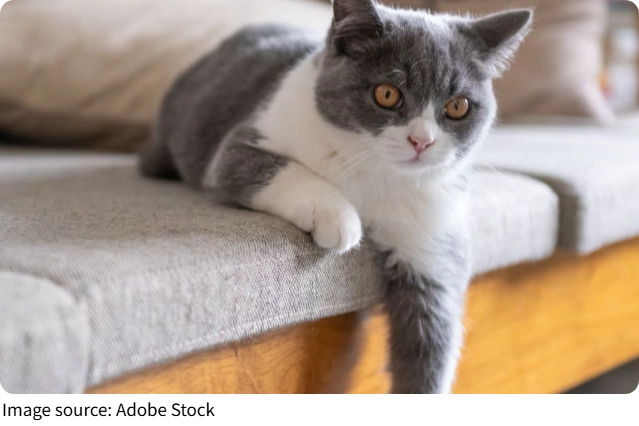
Emotional stress can influence both the physical health and behavioral well-being of companion animals. Although temporary stress is a normal adaptive response, prolonged exposure to stressful conditions may contribute to changes in immune function, digestion, sleep quality, activity levels, and behavior. Creating a calm, predictable, and enriching home environment supports healthy emotional regulation and promotes long-term well-being. Combined with regular veterinary care and early recognition of behavioral changes, effective stress management is an essential part of maintaining the health and quality of life of dogs and cats.