How Cars Shape Cities

Finnegan Flynn
| 27-01-2026
 · Vehicle Team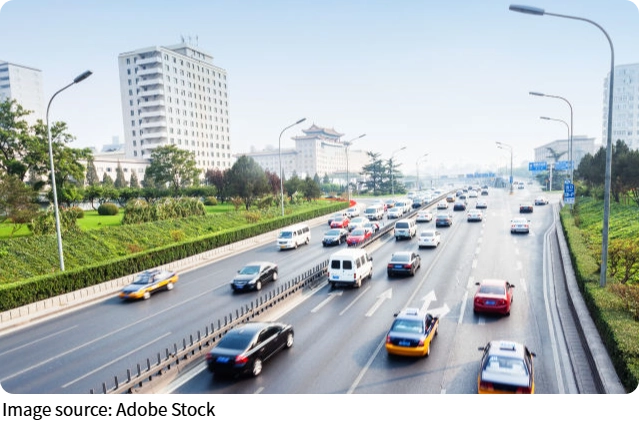
Ever noticed how some cities feel more open and breathable while others feel congested and chaotic? Much of that has to do with cars.
From the earliest days of the automobile to today's hybrid streetscapes, cars have shaped not just how we move, but how cities look, function, and grow.
They influence street layouts, public spaces, residential zones, and even social interactions. Understanding their role helps us see urban development in a whole new light.
Cars and Street Design
One of the most visible impacts of cars is street design. Wide roads, highways, and intersections dominate urban planning because they accommodate vehicles. Streets become not just pathways but arteries connecting neighborhoods, business districts, and industrial zones.
Multi-lane roads encourage speed and efficiency but often reduce walkability.
Traffic lights, roundabouts, and parking infrastructure change the rhythm of urban life.
Streets designed for cars often leave less room for pedestrians, cyclists, and green spaces.
Cities evolve around these decisions. Downtown areas with narrow streets may retain historic charm, while newer suburbs stretch outward, shaped by the needs of vehicles.
Parking and Land Use
Cars require space, and that has a huge effect on land use. Parking lots, garages, and driveways occupy large areas that could otherwise host parks, housing, or commercial spaces.
Residential neighborhoods often dedicate 20–30% of land to car storage, affecting density and community interaction.
Commercial districts prioritize parking access, influencing store placement and shopping patterns.
Urban sprawl is frequently driven by the desire to provide ample parking and car access, pushing cities outward.
This spatial footprint shows how cars dictate not only movement but also how cities physically expand.
Neighborhood and Social Impact
Cars also influence social dynamics. In car-centric neighborhoods, people may rely on vehicles for daily interactions, reducing spontaneous encounters. Conversely, pedestrian-friendly areas encourage gathering, conversations, and stronger local networks.
Suburbs designed for cars often have fewer public spaces, limiting community engagement.
Streets dominated by traffic can feel unsafe, especially for children, seniors, and cyclists.
Urban planners sometimes use traffic calming, pedestrian zones, and mixed-use design to balance vehicle access with social vitality.
In this way, cars indirectly shape the social fabric of a city.
Economic Implications
Cars also leave an economic footprint. Businesses often locate based on vehicle access. Retail chains favor locations near highways or large parking areas, while local shops thrive in pedestrian-friendly zones.
Gas stations, repair shops, and parking facilities become economic anchors.
Highways and arterial roads boost regional connectivity, attracting investment and jobs.
Excessive dependence on cars can increase city costs due to road maintenance, congestion management, and pollution control.
Economics and mobility are intertwined, with vehicles playing a central role.
Shaping the Future of Cities
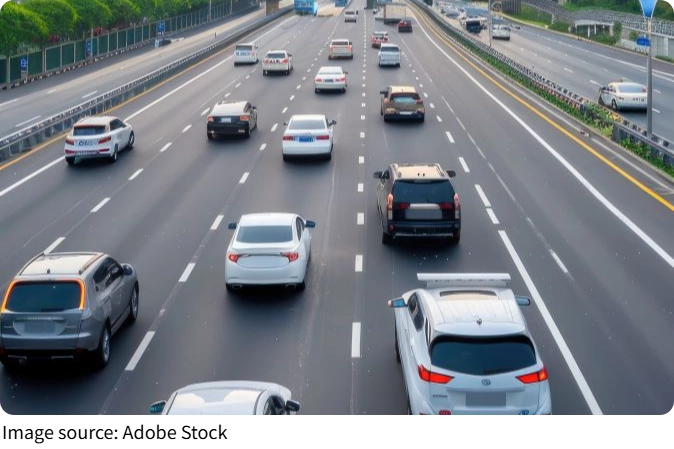
Today, cities are experimenting with the balance between cars and people. Bike lanes, pedestrian zones, shared mobility services, and electric vehicles are reshaping urban design. Some streets are being reclaimed from cars to create parks or social hubs.
Cars remain essential, but the focus is shifting toward coexistence. Urban designers aim to maintain mobility while enhancing safety, community, and environmental quality. How cities adapt to evolving transportation technologies will define their growth and livability.
Cars are more than a convenience—they are a lens through which we can understand urban development. They shape streets, neighborhoods, economies, and social interactions. Recognizing their influence helps us design cities that balance efficiency with human experience, creating urban spaces that are functional, engaging, and sustainable.