Plants Are Quiet Healers

Declan Kennedy
| 27-01-2026
 · Nature Team
You're scrolling. Again. Your shoulders are up near your ears. Your breath's shallow. And the air? Feels thick. Stale. Like you've been breathing the same molecules since breakfast. Then you glance over—and there it is. That little snake plant on your shelf. Leaves dusty, pots crooked. But alive. Quietly doing its thing.
Turns out, it's not just decor. It's working. Filtering air. Softening your mood. Acting like a silent therapist with roots.
What your houseplant's actually doing while you're stressed
Let's clear this up: no, your pothos won't scrub your whole apartment like a HEPA filter. But it's not useless either.
• They eat toxins. Scientific studies show that certain indoor plants can absorb volatile organic compounds like benzene, formaldehyde and xylene under controlled experimental conditions, with measurable uptake over hours to days in sealed environments. However, researchers including those behind a 2019 review in the Journal of Exposure Science & Environmental Epidemiology note that while plants have this capacity in the lab, their real-world impact on indoor air quality is very limited compared with ventilation and air exchange.
• They boost humidity. Dry air = scratchy throat, dry skin, irritated sinuses. Plants release moisture through their leaves. One study found rooms with plants had 10–15% higher humidity—enough to cut down on winter sniffles.
• They mess with your brain—in a good way. A real-world study published in HortTechnology observed office workers in Japan who kept small plants on their desks and took brief three-minute “nature breaks” to look at or care for them when feeling fatigued. The researchers found that this short interaction with plants was associated with measurable reductions in anxiety and in some participants’ resting heart rates, suggesting that even brief engagement with greenery can help lower workplace stress.
This isn't magic. It's biology meeting biophilia—our hardwired love for living things.
3 plants that pull double duty (air + mood)
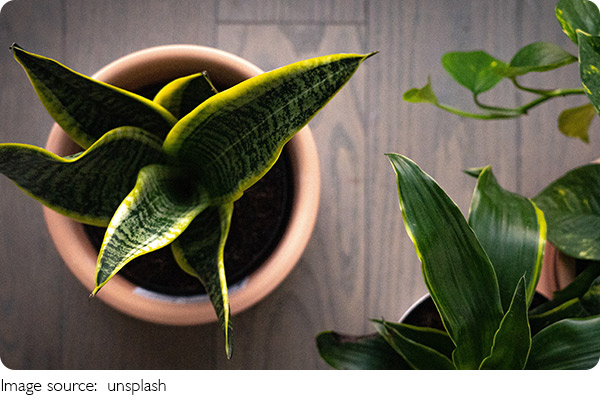
1. Snake Plant (Sansevieria)
The night-shift worker of houseplants. Releases oxygen at night (most plants don't). Absorbs CO2 while you sleep. Nearly impossible to damage. One woman put one in her bedroom after her doctor suggested "cleaner air for better sleep." She swears she stopped waking up at 3 a.m. panicking.
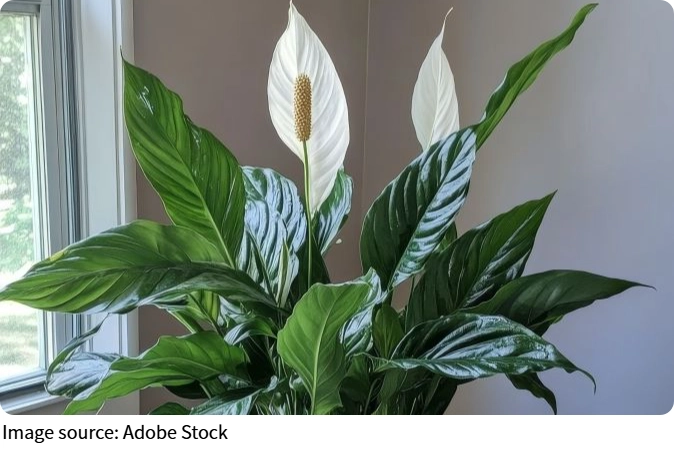
2. Peace Lily (Spathiphyllum)
Filters ammonia, benzene, and mold spores. Also? Blooms white flowers that feel like a visual exhale. Researchers at a university hospital placed them in patient recovery rooms. Nurses reported patients asked fewer pain meds and smiled more. Coincidence? Maybe. But it's a pretty coincidence.
3. ZZ Plant (Zamioculcas zamiifolia)
Thrives on neglect. Loves fluorescent lighting. Perfect for windowless offices or dim corners. A tech startup replaced half their desk decor with ZZ plants. HR tracked sick days for 6 months. Down 18%. Employees said they "felt lighter" coming in. No joke.
How to make them work harder (without damaging them)?
You don't need a jungle. You need strategy.
• Put one where you stare the most
Desk. Nightstand. Kitchen counter. If your eyes land there daily, that's the spot. Visual contact = mental reset. Even 10 seconds helps.
• Dust the leaves monthly
Gunk blocks their pores. Wipe gently with a damp cloth. They'll breathe better. So will you.
• Water only when dry
Overwatering damage more plants than neglect. Stick your finger in the soil. If it's dry 2 inches down? Go ahead. Otherwise, wait. Your plant will thank you. (And so will your carpet.)
• Talk to them. Seriously.
Not because they "like it." Because you do. Saying "Hey, buddy" while you water resets your own nervous system. One therapist recommends it to anxious clients. "If you can care for this," she says, "you can care for you."
The real magic? It's not in the leaves—it's in you
Plants don't "fix" anxiety. But they create pauses, soften edges, and offer silent companionship that asks for almost nothing—just a little water, a bit of light, and the space to grow. One guy replaced his doomscrolling habit with "plant check" breaks: five minutes to water, wipe leaves, watch new growth—and slowly, his spirals got shorter and his breaths got deeper. You don't need a green thumb or a windowsill full of foliage; you just need one living thing to remind you that healing doesn't always shout—sometimes, it quietly unfurls a new leaf while you're learning to breathe again.