Button-Free Driving

Naveen Kumar
| 27-01-2026
 · Vehicle Team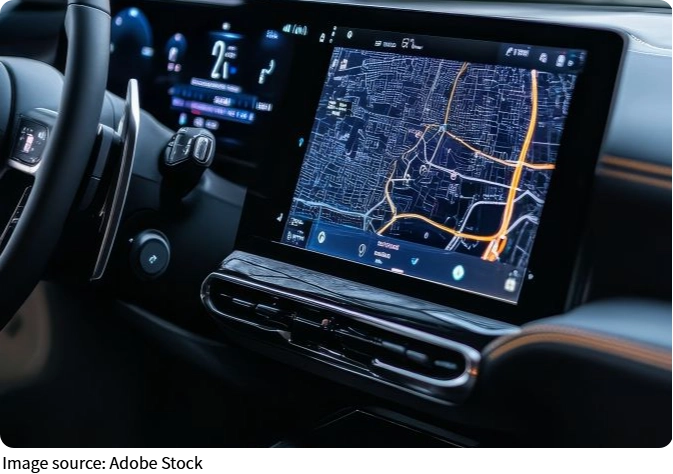
Electric cars are embracing minimalism more than ever. Physical buttons are disappearing, replaced by large touchscreens and advanced voice controls.
At first glance, this approach feels futuristic and sleek, making the interior look clean and modern.
However, as we spend more time behind the wheel, we can’t help but wonder: Does this really improve our driving experience, or is it just style over substance?
Why Carmakers Are Ditching Buttons
We see three main reasons why automakers are moving toward a button-less design.
- Cutting costs: Every physical button comes with manufacturing costs—molds, wiring, assembly, and maintenance. Replacing them with a touchscreen reduces the number of components, which simplifies production and lowers costs.
- A modern look and feel: Minimalist dashboards with smooth touchscreens make the cabin look futuristic. Younger buyers especially enjoy the “smart” vibe that comes with an uncluttered interior.
- Voice and AI control: With AI voice assistants improving rapidly, many functions can now be controlled without touching a screen. This reduces the dependency on physical buttons even further.
While these benefits sound appealing, we also notice potential challenges that could affect how we drive daily.
Challenges Behind the Sleek Design
Going button-free has some drawbacks we need to consider.
- Slower reactions in emergencies: Navigating a touchscreen can be slower than pressing a physical button. In urgent situations, even a few extra seconds to find the right menu can make a difference.
- System failures: If the touchscreen freezes or gets damaged, some critical functions might become unavailable. Physical buttons, by contrast, often remain operational, providing a reliable backup.
- Blind operation is tricky: One advantage of traditional buttons is that we can use them by feel, without looking away from the road. Touchscreens lack tactile feedback, forcing us to glance down, which increases distraction risks.
- Overcomplicated layouts: Some car systems stack multiple menus, which may confuse new drivers. Even when we think we’ve memorized the layout, we still need to glance at the screen to ensure the correct function is selected.
Finding the Right Balance
As Lykkers, we believe minimalism should not compromise safety. The ideal approach is keeping essential physical buttons for critical functions—like hazard lights, climate control, and volume—while using touchscreens for less urgent features, like navigation settings or media apps. This way, we enjoy a sleek and modern interior without sacrificing usability.
We also think automakers should pay attention to the screen’s responsiveness. Smooth interfaces with clear feedback help drivers operate controls confidently, reducing hesitation and mistakes. Combining touch, voice, and a few key physical buttons seems like the most practical solution for everyday driving.
Tips for Adapting to Button-Less Cars
Lykkers, here are some ways we can adapt and stay safe:
- Learn the layout before driving: Spend time in a parked car exploring menus, buttons, and shortcuts.
- Use voice commands whenever possible: This keeps our eyes on the road and reduces touchscreen reliance.
- Pick cars with essential buttons: Even if the car is mostly touchscreen, having a few physical buttons for safety-critical functions is a huge advantage.
- Take test drives: Experiencing the system in real traffic helps us understand how to navigate it quickly.
- Adjust screen brightness and placement: Proper positioning reduces glare and makes it easier to glance without losing focus.
By practicing these habits, we can enjoy the sleek design of button-less cars while keeping our driving safe and efficient.
Driving Smarter, Not Just Sleek
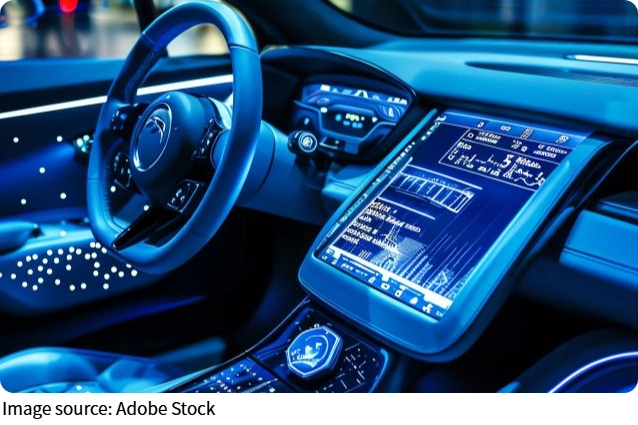
In the end, driving is about confidence, safety, and convenience. Minimalist, button-free cars look amazing and feel modern, but we must ensure that operating them is still intuitive and reliable. Lykkers, as we step into this new era of car design, we should appreciate the innovation but insist on practical controls for the essentials.
Button-free dashboards are exciting, but safety and usability should never take a back seat. The future of car interiors isn’t just about looking futuristic—it’s about helping us drive smarter, safer, and more comfortably.