EV Winter Struggles

Chandan Singh
| 12-12-2025
 · Vehicle Team
Stepping into your electric car on a frosty morning feels cozy—until you glance at the dashboard and notice your range has dropped like a rock overnight.
Many EV drivers share the same frustration: the battery seems to vanish faster in winter than in summer.
So why does this happen, and what can you do to prevent those stressful mid-journey calculations? Let's explore the science, the habits that make things worse, and the practical fixes that can keep your winter drives smooth.
Why Cold Weather Hits EVs So Hard
At the heart of every EV is a lithium-ion battery, which depends on chemical reactions to store and release energy. The colder the environment, the slower those reactions. Think of it like your body trying to sprint in freezing air—you just don't perform as well.
But it's not just chemistry. Heating the cabin, defrosting windows, and warming seats all require power. In gas cars, waste heat from the engine keeps you warm almost for free. In an EV, there's no such “bonus heat”—the battery has to do all the work. Combine sluggish battery chemistry with high energy demand, and you've got a perfect recipe for range anxiety.
What Really Drains Your Winter Range
Several culprits contribute to that winter drop-off. Here are the main ones:
Battery efficiency loss: Cold slows down ions inside the battery, cutting available energy by 10–40% depending on temperature.
Heating systems: Cranking up the cabin heater can eat as much power as driving at highway speeds. Older EVs with resistance heaters are especially guilty.
Tire performance: Cold rubber stiffens, and snow or slush increases rolling resistance, making the car work harder.
Increased drag: Dense cold air means your car faces more resistance, which subtly eats into efficiency.
Short trips: Constantly warming the battery for short drives wastes more energy than long, steady runs.
7 Smart Fixes for Better Winter Range
So, what can you actually do? Here are the proven steps EV owners rely on:
1. Precondition your car
Most EVs let you warm up the cabin and battery while still plugged in. Schedule this through the app before you leave in the morning. It uses grid power, not your battery, so you start warm and efficient.
2. Rely on seat and wheel heaters
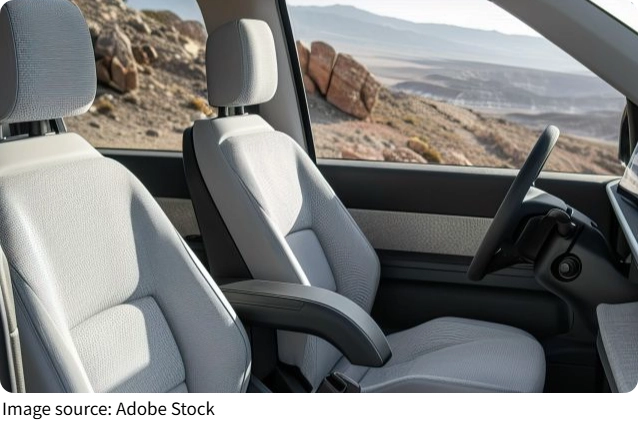
Heating your body directly uses far less energy than blasting hot air into the cabin. Keep the cabin temp a bit lower and lean on those localized warmers.
3. Park smart
Whenever possible, park indoors or at least shield your car from the wind. Even a simple carport makes a difference in how cold the battery gets overnight.
4. Use eco driving modes
Many EVs have a winter or eco mode that softens acceleration and adjusts climate settings. It's a simple switch that pays off in saved miles.
5. Maintain your tires
Winter tires with proper pressure reduce rolling resistance and improve traction, which means less wasted energy when accelerating. Check pressure often—cold weather lowers PSI.
6. Plan charging around errands
If you can, charge right before you head out. A freshly charged battery is warmer and performs better. Running multiple short trips? Group them together so the battery stays warm instead of cooling down between drives.
7. Update your software
Car makers often release over-the-air updates that tweak how the battery and heating systems work in cold climates. Don't skip them—they can add noticeable improvements.
When the Cold Is Extreme
In truly harsh conditions, even the best habits can't fully erase range loss. Some drivers invest in portable battery warmers or use timed charging to keep the pack at a safe temperature. Others simply adjust expectations—knowing that 20–30% loss is normal when temps plunge well below freezing.
The key isn't to fight the cold but to manage it. By combining tech tools like preconditioning with mindful habits like using seat heaters, you can cut that range loss significantly and drive without constant worry.
A Different Way to Look at Winter Driving
Winter doesn't have to mean stress. Yes, your range will dip, but think about what you gain: heated seats warming you instantly, a car that starts without fuss, no matter the temperature, and no morning routine with frozen engine oil. The trade-offs feel less painful when you lean into the EV advantages and plan around the downsides.
On that icy morning when your car feels more like a cozy cocoon than a frozen box, you'll know you've cracked the winter code. So the next time your dashboard shows fewer miles, don't panic—just remember you've got the tools and habits to make every cold drive manageable. And maybe ask yourself: isn't it worth the peace of mind to master your EV, no matter the season?